
The Fifa World Cup is perhaps the biggest sporting event in the world, and the 2026 edition, spread across the United States, Mexico, and Canada, was supposed to be the biggest, most inclusive tournament in the sport’s history, with a record 48 teams.
However, the tournament has been punctuated by a spate of incidents involving racial discrimination, unequal treatment and exclusion that have overshadowed the goals and spectacle of this footballing tournament.
From visa denials and travel restrictions to controversial officiating, and differential treatment of teams and fans, the Fifa World Cup 2026 has exposed how bias and structural inequalities continue to shape the world’s biggest sporting event.
While FIFA has long championed anti-racism campaigns, the events of this World Cup has shown how all these actions were performative, at best, and that football’s governing institutions are not only incapable of confronting discrimination beyond symbolic gestures, but are perhaps actively enabling it.
The Hostile Welcome by a Problematic Host
The host nation’s borders turned what should be a welcoming global stage into a structural filter, disproportionately targeting the Muslim-majority or African countries.
In December 2025, the US travel ban was expanded to 39 countries, including four World Cup participant nations: Haiti, Iran, Ivory Coast, and Senegal. In some cases players and coaches managed to secure highly-negotiated exemptions, but the ordinary fans were systematically shut out.
- Ivory Coast and Senegal fan association leaders said US officials told them plainly that supporters from those countries weren’t wanted on American soil
- Morocco saw more than 40 members of its official fan associations denied visas despite holding valid tickets and hotel reservations
- Ghana fared worst of all, with 147 out of 150 fan visa applications rejected
- Iraq‘s star striker Aymen Hussein was detained and questioned for seven hours at Chicago, while the team’s photographer was denied entry outright
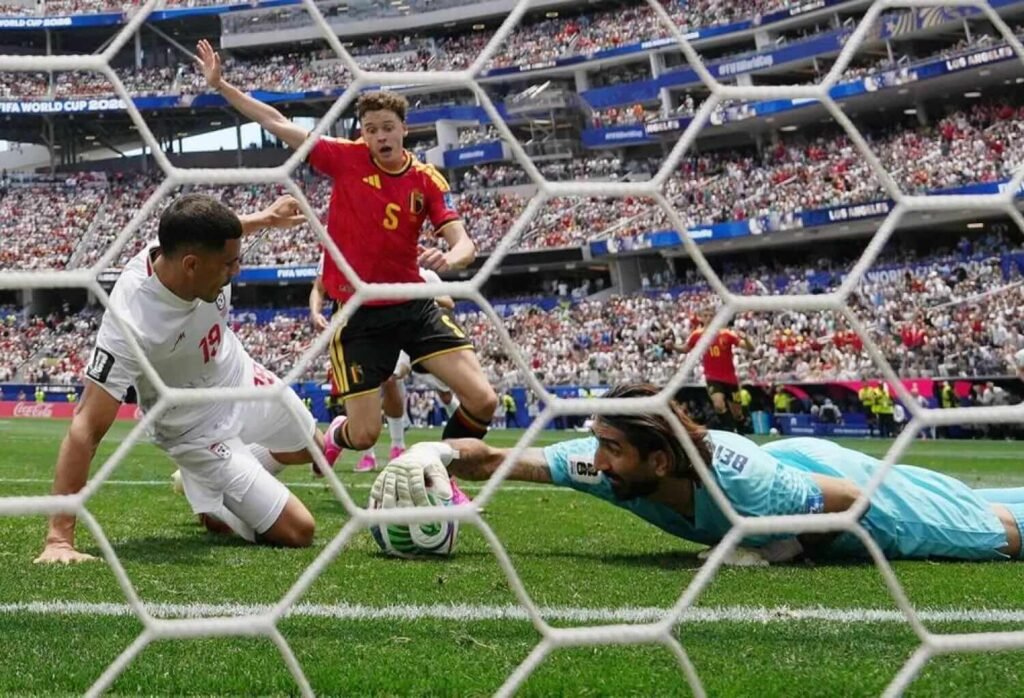
Undoubtedly the most glaring example of systematic bias and racism was seen in the treatment meted out to Iranian national teams. The Iranians were subjected to unprecedented administrative hostility, being barred from overnight stays in the United States altogether. The visas of Iranian players and admin staff was grudgingly approved after lengthy delays, and even then over a dozen crucial backroom staff, including the Iranian Football Federation president, were denied visas entirely, a move Iranian officials condemned as blatant discrimination.
More blatantly, the national team was barred from overnight stays in the United States altogether, and was forced to set up their base across the border in Tijuana, Mexico, with players having to shuttle back and forth across the border under heavy guard just to play their fixtures, sometimes just hours before the match.
The Deportation of Omar Artan, Africa’s Best Referee
Omar Artan was the 2025 Confederation of African Football (Caf) men’s referee of the year, and was set to make history as the first Somali official to referee at a World Cup. Instead, on arrival at Miami International Airport, US Customs and Border Protection detained him for 11 hours and eventually turned him away, citing “vetting concerns” and, according to one official, an alleged “association with suspected members of terrorist organisations.” Of course, no evidence was offered.
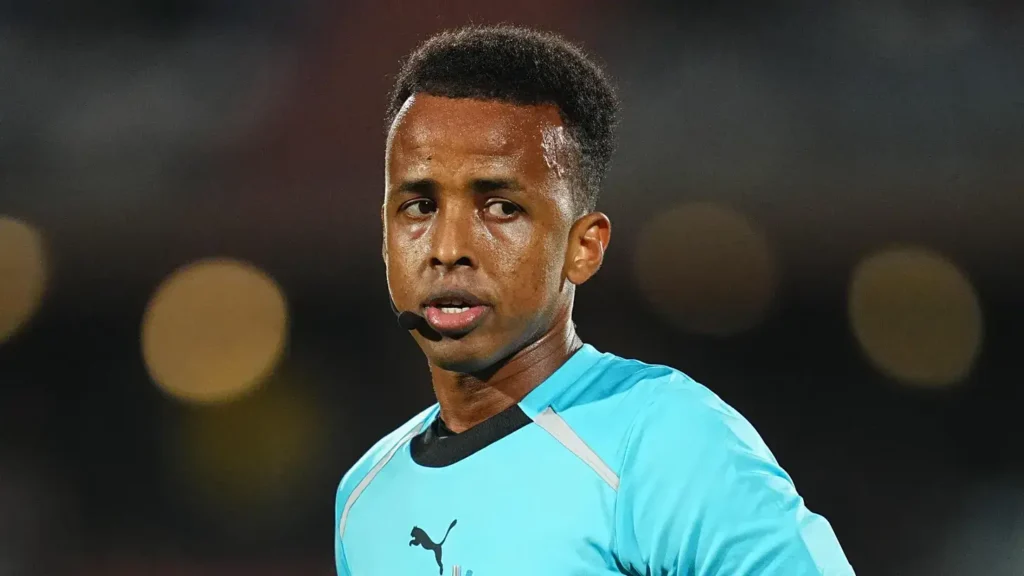
Artan held a valid US visa and had already cleared FIFA’s own vetting as one of the tournament’s 52 selected referees.
Somalia sits on the Trump administration’s expanded travel ban list, and Artan’s removal became the starkest single image of that policy’s reach: a decorated official, named Africa’s best referee in 2025, was flown to Istanbul while the tournament he’d trained his whole career for kicked off without him. He returned to Mogadishu to a hero’s welcome and will referee the UEFA Super Cup 2026 instead.
FIFA, notably, distanced itself from the decision entirely.
The Ridiculous Security Measures and Target-Searching the Global South
The double standards of tournament security were visually captured when the Uruguay national squad arrived in Miami. Days before their opener against Saudi Arabia, video surfaced of Uruguay’s squad, Ronald Araújo and Manuel Ugarte among them, lined up roadside in Miami while a police dog worked through their luggage.
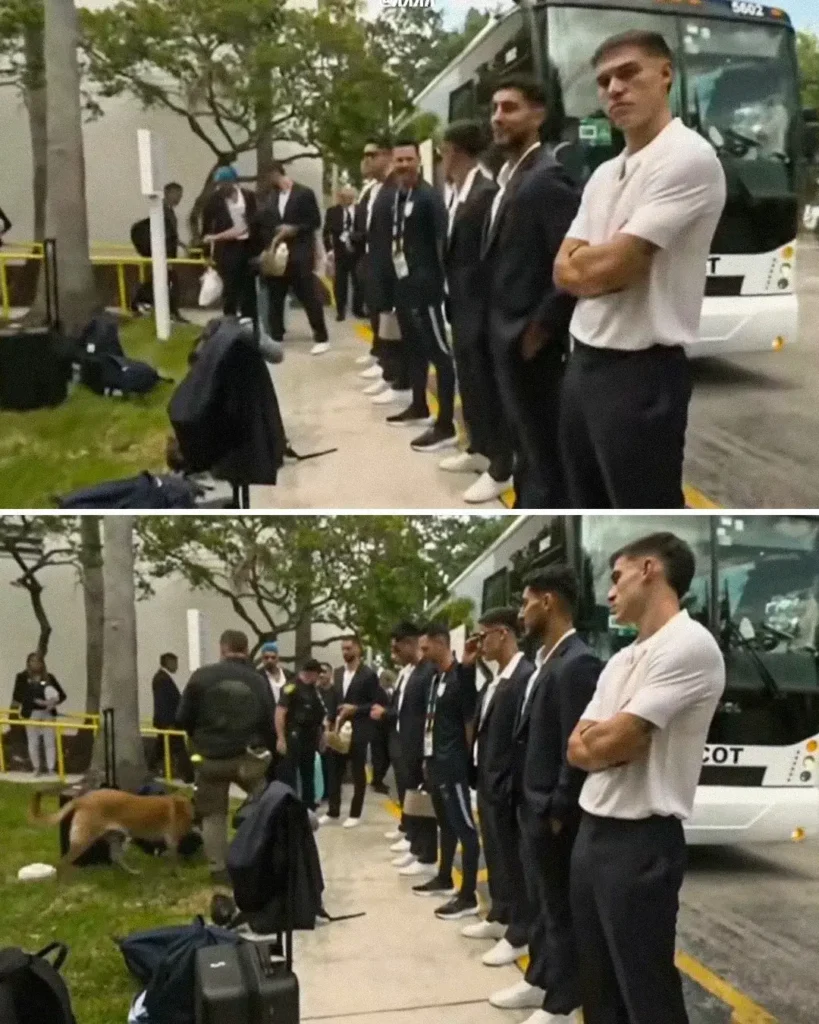
While Miami Police claimed K-9 units were deployed “tournament-wide” across venues and transit hubs, teams from Europe faced no such public, roadside indignities, clearly demonstrating whom the U.S. administration deemed a “security risk.”
On-Pitch Double Standards
The systematic bias translated to on-pitch refereeing too, and the Round of 16 clash between Egypt and Argentina became a flashpoint of officiating bias and institutional hypocrisy that left the football world stunned.
The stark contrast in disciplinary standards, where Egypt was punished heavily for fewer offences while Argentina committed more fouls with complete impunity, painted a damning picture.
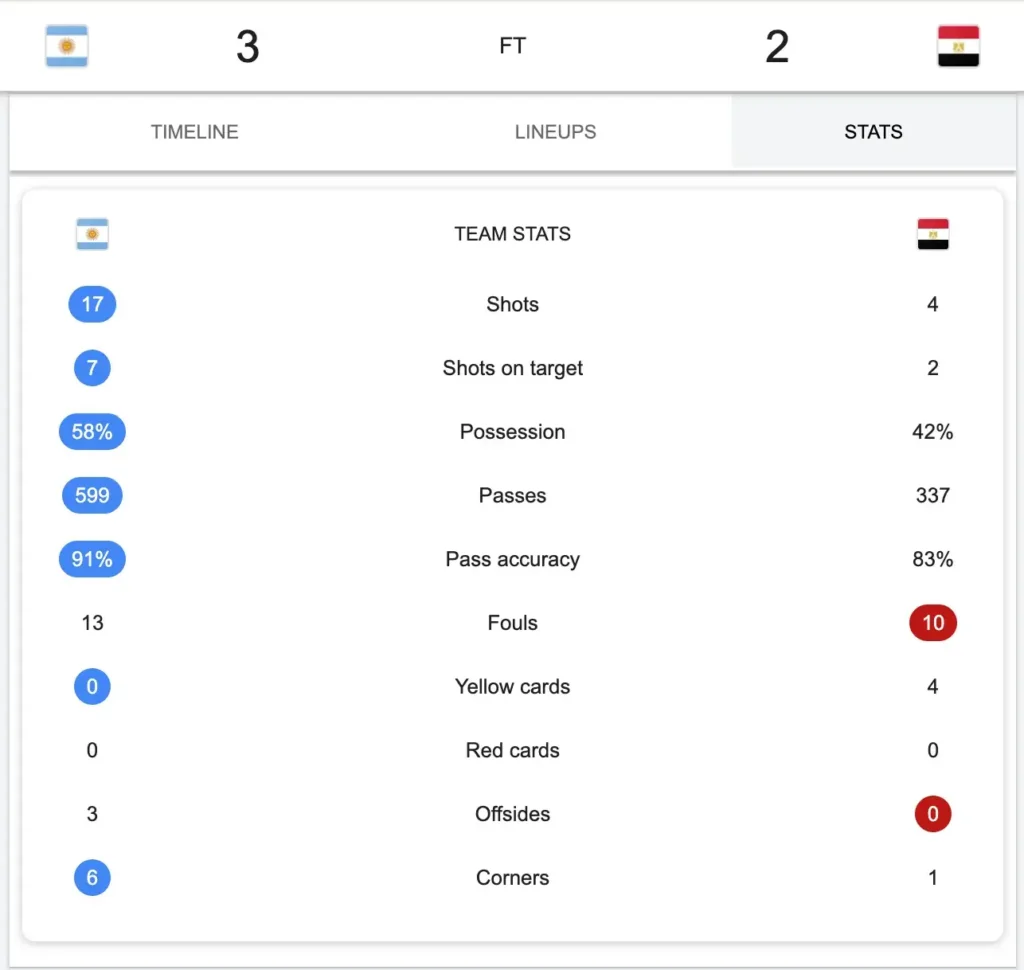
The systemic bias peaked during a chaotic second half, after Egypt had a crucial second goal disallowed by an incredibly controversial VAR review that pulled play back to a minor, distant incident at the opposite end of the pitch.
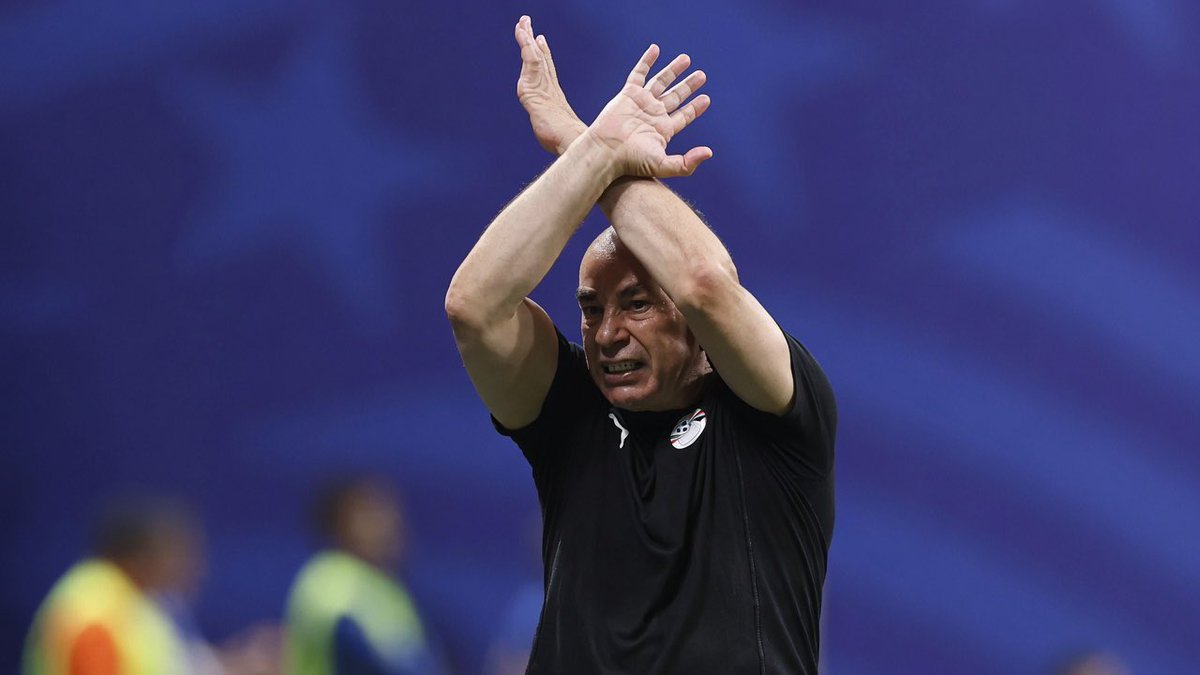
Protesting the officiating and responding to apparent discriminatory abuse, Egyptian head coach Hossam Hassan crossed his arms to form the “X” symbol, FIFA’s newly introduced, universal anti-racism gesture designed to halt play immediately.
However, instead of triggering the mandatory anti-racism protocol, French referee François Letexier actively ignored the gesture, brandishing a yellow card to Hassan and a red card to one of his staff members.
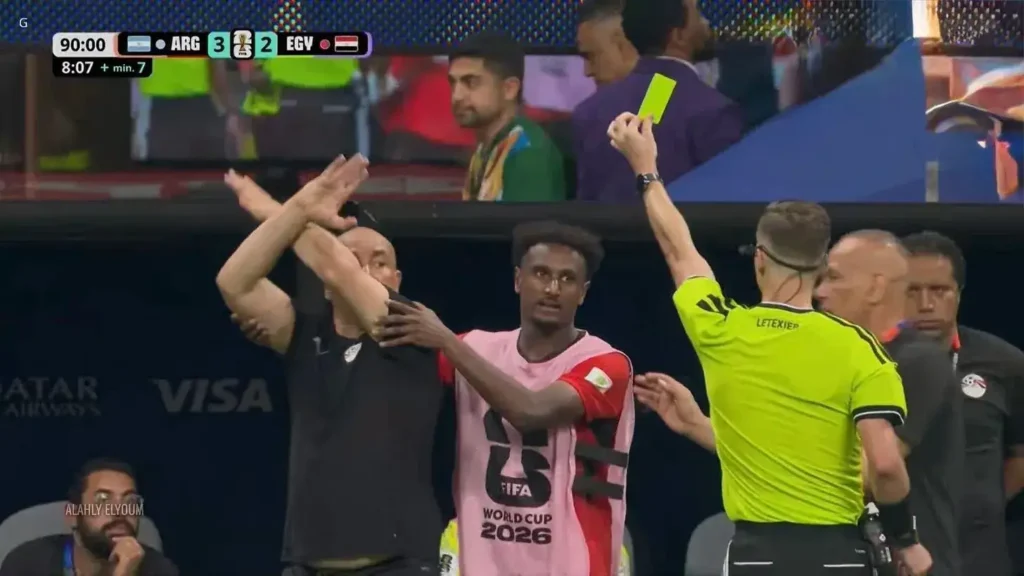
This blatant failure to protect non-European players and staff proved that FIFA’s highly publicised anti-discrimination policies are often hollow performative gestures, conveniently discarded when they threaten the favourites or the football giants.
Dehumanisation on the Global Stage
The social media ecosystem surrounding the tournament also degenerated into a cesspool of toxic racism. The most prominent example was that against France’s captain, Kylian Mbappé. Following France’s 1-0 Round of 16 victory over Paraguay, Paraguayan Senator Celeste Amarilla launched an incredibly hostile, racist tirade on social media, and referred to Mbappé as a “colonised Cameroonian” who was “desperately trying to pass himself off as French,” while labelling him “a brute who had not learned to write,” “arrogant,” and comparing him to a chimpanzee.
The remarks were so vile they drew formal condemnation from the UN Human Rights Office, which called them “despicable, racist, and dehumanizing”. While Mbappé rightfully hit back, calling her “unworthy” of her public office, the incident highlighted how easily political figures weaponise raw, colonial-era racism against players of different colour, culture or race on the world stage.
The Epidemic of Online Hate and Racism
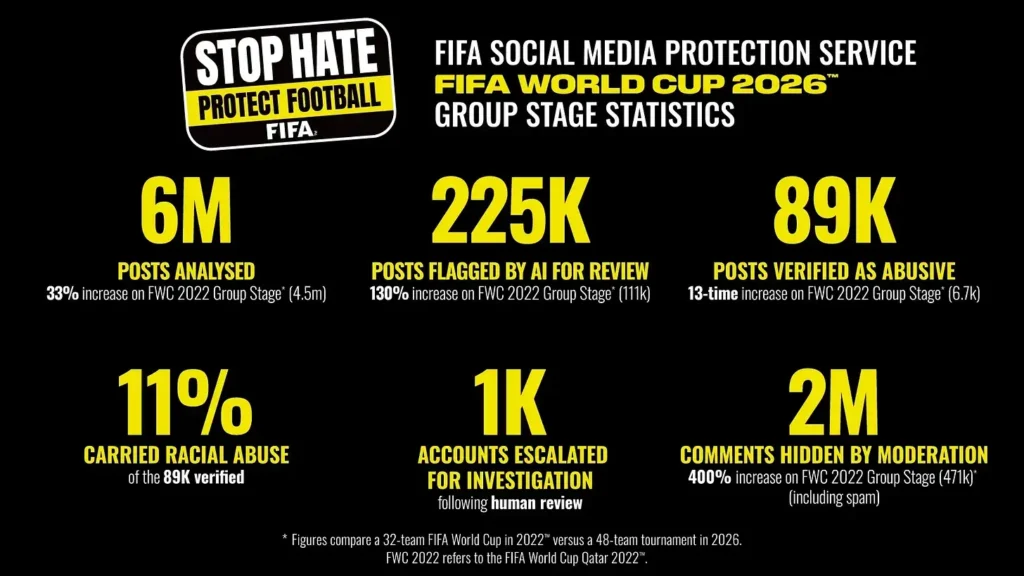
The abuse directed at Mbappé was not an isolated incident but the tip of a massive digital iceberg. According to the data released by FIFA’s own Social Media Protection Service (SMPS) following the 2026 group stage, racial abuse has become a persistent threat to the wellbeing of athletes.
SMPS scanned over 6 million posts and comments, referred 225,000 for human review, and confirmed 89,000 as abusive — a 13-fold increase over the equivalent stage in 2022.
11% of that abuse was racially motivated, a share FIFA itself flagged as trending in “a concerning direction.”
The Bottomline
The 2026 FIFA World Cup has pulled back the curtain on a deeply uncomfortable reality: the major institutions of global sport remain fundamentally Eurocentric.
Taken individually, each controversy can be explained away as an isolated administrative decision, a security measure, an individual act of racism, or a refereeing mistake. But strung together, they describe a tournament where Muslim-majority and African nations have borne a disproportionate share of the friction.
The FIFA World Cup has long presented itself as football’s most inclusive stage, bringing together nations regardless of geography, race or politics. The 2026 tournament has repeatedly shown how far that promise still is from reality.
Note: This post was previously uploaded on Bahaaristan’s substack. Subscribe to our newsletter to receive updates directly to your mailbox.