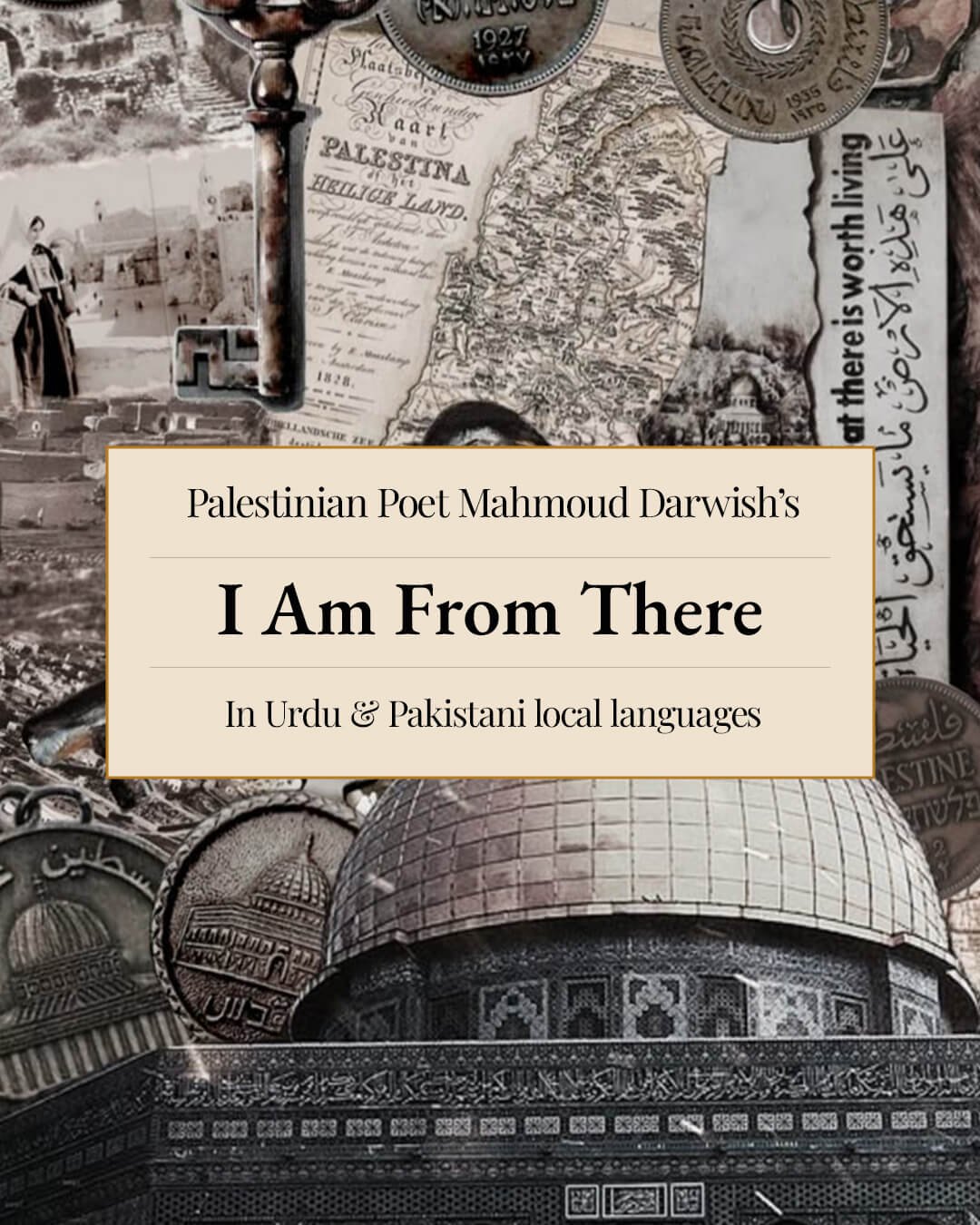
Ana Min Hunak (I Am From There) | Poem by Mahmoud Darwish | Translated into Urdu & Pakistani Local Languages
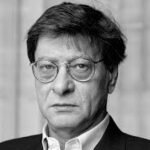
The famous poem Ana Min Hunak (I Am From There) by Palestinian poet and author Mahmoud Darwish (1941–2008) expresses a strong feeling of nostalgia. It shares with the readers a distant memory of what used to be the author’s homeland, Palestine.
Darwish’s personal story, of being forced to leave his village in Western Galilee for Lebanon in 1948, mirrors the experience of over 750,000 Palestinians who were displaced that year.
When the state of Israel was established, the local Arab population was expelled from their lands. The scale of violence and upheaval was so immense that Syrian historian Constantin Zureiq (1909–2000) referred to it as al-Nakba (“the catastrophe”).
Note:
Poetry translations are often done to convey the meaning behind the poet’s words. And hence that is the best we can do. Translations are often not word to word, and in many cases, translations can never fully capture the poem’s essence – the depth of thought, the layered emotions, and the beauty of the language that make the original poem so powerful.
Ana Min Hunak (I Am From There) by Mahmoud Darwish
أَنَا مِنْ هُنَاكَ. وَلِي ذِكْريَاتٌ
وُلِدْتُ كَمَا تُولَدُ النَّاسُ
لِي وَالِدَهْ وَبَيْتٌ كَثِيرُ النَّوَافِذِ
لِي إِخْوَةٌ، أَصْدِقَاءُ، وَسِجْنٌ بِنَافِذَةٍ بَارِدَهْ
وَلِي مَوْجَةٌ خَطَفَتْهَا النَّوَارِسُ
لِي مَشْهَدِي الخَاصُّ
لِي عُشْبَةٌ زَائِدَهْ
وَلِي قَمَرٌ فِي أَقَاصِي الكَلَامِ
وَرِزْقُ الطُّيُورِ
وَزَيْتُونَةٌ خَالِدَهْ
مَرَرْتُ عَلَى الأَرْضِ قَبْلَ مُرُورِ السُّيُوفِ
عَلَى جَسَدٍ حَوَّلُوهُ إِلَى مَائِدَهْ
أَنَا مِنْ هُنَاكَ
أُعِيدُ السَّمَاءَ إِلَى أُمِّهَا
حِينَ تَبْكِي السَّمَاءُ عَلَى أُمِّهَا
وَأَبْكِي لِتَعْرِفَنِي غَيْمَةٌ عَائِدَهْ
تَعَلَّمْتُ كُلَّ كَلَامٍ يَلِيقُ بِمَحْكَمَةِ الدَّمِ
كَيْ أُكْسِرَ القَاعِدَهْ
تَعَلَّمْتُ كُلَّ الكَلَامِ
وَفَكَّكْتُهُ
كَيْ أُرَكِّبَ مُفْرَدَةً وَاحِدَهْ
هِيَ: الوَطَنُ
Ana Min Hunak (I Am From There) in English
I am from there and I have memories
I was born, as all people are born
I have a mother, and a house with many windows
I have friends and brothers, and a prison cell with a cold window
I have a wave, snatched by seagulls
I have my own view
and an extra blade of grass
I have a moon, at the far ends of the words
And the bounty of birds
And an immortal olive tree
I walked and crossed the land before the crossing
Of the swords made a banquet table of a body
I come from there
I return the sky to its mother
When it cries for her
And I cry so the returning cloud can recognize me
I learned all the words that befit the trial of blood
So I can break the rule
I learned all the words
And took them apart
So I can construct a single word
It is: Homeland
Ana Min Hunak (I Am From There) in Urdu
میں وہاں سے ہوں،اور وہیں کی میری یادیں ہیں
میں بھی ویسے ہی پیدا ہوا، جیسے سب انسان جنم لیتے ہیں
میری بھی ماں ہے، اور ایک گھر جس میں بےشمار کھڑکیاں ہیں
میرے بہن بھائی ہیں، دوست ہیں، اور ایک قید خانہ ہے جس کی کھڑکی سے ٹھنڈ جھانکتی ہے
میرے پاس وہ لہر ہے جسے سمندری پرندوں نے اچک لیا
اور میرے پاس ایک منظر ہے
اور گھاس سے بھرا میدان
اور میرے پاس وہ چاند ہے، جو لفظوں کی آخری سرحد پر ہے
اور پرندوں کا رزق
اور ایک لازوال زیتون کا درخت، جو ہمیشہ قائم رہے گا
میں اس زمین پر ان تلواروں کے چلنے سے پہلے چلا آرہا ہوں
جنہوں نے اس کے جیون بَدن کو دسترخوان بنا دیا
میں وہاں سے ہوں
میں آسمان کو اس کی ماں کے سپرد کرتا ہوں
جب وہ اپنی ماں کے لیے روتا ہے
اور میں روتا ہوں، تاکہ ایک لوٹتا ہوا بادل کا ٹکڑا ا مجھے پہچان لے
میں نے وہ سارے الفاظ سیکھے جو خون کی عدالت میں بولے جاتے ہیں
تاکہ میں رائج روایات کو توڑ سکوں
اور میں نے تمام الفاظ سیکھے
پھر انہیں توڑ کر بکھیر دیا
تاکہ ایک نیا لفظ جوڑ سکوں
اور وہ لفظ ہے: وطن
Ana Min Hunak (I Am From There) in Punjabi
میں اتھوں دا واں، تے میری یاداں وی اوتھوں دیاں نیں
میں وی اوہوں ہی جنم لیا، جیویں سارے انسان جنم لیندے نیں
میری ماں اے، تے اک کار جس وچ انگنت کھڑکیاں نیں
میرے پراہ وی نیں، یار وی، تے اک قیدخانہ وی اے جس دی کھڑکی وچوں ٹھنڈی ہوا جھانکدی اے
میرے کول اوہ لہر اے، جِنہوں سمندری پنچھی اچک کے لے گئے
تے میرا اک منظر وی اے
تے گھاس نال بھرا میدان وی
میرے کول اوہ چاند وی اے، جو لفظاں دی آخری حد تے وسدا اے
تے پنچھیان دا رزق
تے اک لازوال زیتون دا درخت، جو ہنجمے ویچ وی قائم رہندا اے
میں ایہہ دھرتی تے اوہدوں تریا سی
جدوں تلواراں نے ایہنوں لاشاں دا دسترخوان نئیں بنایاسی
میں اتھوں دا واں
میں اس آسمان نوں اوہدی ماں ول واپس کر دینا واں
جدوں اوہ اوہدی ماں لئی روندی اے
تے میں روندے روندے، اسواپس آن والے بادل دے ٹکڑے نوں پکاردا واں کہ اوہ مینوں پچھان لے
میں اوہ سارے لفظ سِکھے جو خون دی عدالت وچ بولے جاندے نیں
تاکہ میں رِیتاں تے رسمیں توڑ سکاں
تے میں سارے لفظ سکھ کے
اوہناں نوں وکھ وکھ کر دِتا
تاکہ اک نواں لفظ بنا سکاں
تے اوہ لفظ اے: وطن
Ana Min Hunak (I Am From There) in Kashmiri
بہ چھس تتکُی، مے نش تہ چھ یادٕ کینہہ
آخر بتہ چھس زامُت یِتھ پأٹھی سأری چھ زامتی
میتہِ چھ موج
تہ تژھ اکھ لٔر یمی چن دارین خواب چھ اویزان
میتہِ چھ بینہِ بأئی، میتہِ چھ دوس
تہ اکھ قأد خانہ تہِ
یمچہ دارِ بس بے زو ژھٹھ چھ دستک دوان
سہ خوشی تہ چھ میأنی یس زن جاناوار پکھو ژوٗر نی
میتہ چھُ إچھن گاش
تہ بییہ اکھ گاسہٕ تُل، یُس زن میانہِ ناو کھوتمت چھُ
زون تہِ چھے میٲنی
یس زن لفظن ہندس بٹھس کن چھ روٹِتھ گٕمژ
جاناوارن ہنز ژھایہِ تام منز چھ میانین دعائے خیرن ہُند عکس
مے چھ اکھ زیتون کل تہٕ
اکھ نہ مرن وول شہجار۔
بہ چھُس یتھ میژِ پیٹھ پؤکمُت
یمہ وقت برونہی
او چھ تلوارو ام سند زند زو بدن ویداکھن ہند میزبان بنوومت
بہ چھس تتکُی
بہ دِمہٕ اسمانس پننی موج واپس
بچار اوس پننہ ماجہ باپتھ ودان
تہ بہ چھس او موکھ ودان ز یس اوبر لنگ واپس پھیرِ سہ پرزنایہ مے میانیو اوش قطرو سئتی
مے چھُ پرتھ کانہہ سہ لفظ ہیچھمُت
یُس زن مشکل وقتن تہِ خونہ ستھی رنگتھ زینت چھ بخشان
بہ ہیکہ روایت پھڑرٲوتھ
مے چھ تمام الفاظ ہیچھمتی
پتہ کریم تانہ تانہ، اکھ اکھ اچھر ژُھنم چھکرایتھ
او موکھ چکھرایم ز بہ ہیکہا بس
اکھ کُن لفظ بنآیتھ: وطن
Ana Min Hunak (I Am From There) in Pashto
زه له هغه ځایه یم. او زه خاطرې لرم
زه زیږیدلی یم، لکه څنګه چې ټول خلک زیږیدلي دي
زه مور لرم، او یو کور چې ډیری کړکۍ لري
زه وروڼه او خویندې، ملګري او یو زندان لرم چې سړه کړکۍ لري
زما څپه ده، چې د سمندري غلو لخوا نیول شوې ده.
زه خپل نظر لرم
او د واښو یوه اضافي تیغه
زما سپوږمۍ ده، د خبرو په پای کې
او د مرغیو برکتونه
او د زیتون یوه تلپاتې ونې
زه د تورو په وړاندې دا ځمکه ګرځم
د هغې ژوندی بدن په ضیافت بدل کړ
زه له هغه ځایه یم.
زه اسمان خپلې مور ته بیرته ورکوم
کله چې دا د خپلې مور لپاره ژاړي
او زه ژاړم، نو بیرته راستنیدونکی ورېځ ممکن ما وپیژني
ما هره کلمه زده کړه چې د وینې محاکمې سره مناسبه وي
نو زه کولی شم قانون مات کړم
ما ټول کلمې زده کړې
او دوی جلا کړل
نو زه کولی شم د نښې کلمه جوړه کړم
دا دی: وطن
Ana Min Hunak (I Am From There) in Sindhi
مان اُتان جو آهيان. ۽ مون وٽ يادون آهن
مان پيدا ٿيو آهيان، جيئن سڀ ماڻهو پيدا ٿيا آھن
منهنجي هڪ ماءُ آهي، ۽ هڪ گهر جنهن ۾ ڪيتريون ئي دريون آهن
مون وٽ ڀائرو ۽ ڀينرون، دوست، ۽ هڪ جيل جنهن ۾ ٿڌي دري آهي
منهنجي لهر آهي، جيڪو بگلن جي قبضي ۾ آهي.
منهنجو پنهنجو نظارو آهي
۽ گاهه جو هڪ اضافي پٽو
منهنجو چنڊ آهي، تقرير جي پڄاڻي
۽ پکين جون نعمتون
۽ هڪ امر زيتون جو وڻ
مان هن زمين تي تلوارن کان پھرون هلي چڪو آهيان
ان جي زنده جسم کي تبديل ڪيو هڪ ضيافت ۾
مان اُتان جو آهيان.
مان آسمان کي ان جي ماءُ ڏانهن موٽائي ڏيان
جڏهن اهو پنهنجي ماءُ لاءِ روئي ٿو
۽ مان روئيان ٿو، ته جيئن موٽندڙ ڪڪر مون کي سڃاڻي سگهي
مون هر اهو لفظ سکيا جيڪو رت جي آزمائش جي لائق هجي
تنهن ڪري مان قاعدي کي ٽوڙي سگهان
مون سڀئي لفظ سکيا
۽ انهن کي الڳ ڪري ڇڏيو
تنهن ڪري مان هڪ لفظ ٺاهي سگهان
اهو آهي: وطن
Ana Min Hunak (I Am From There) in Balochi
من اودا چہ اتکگاں
منارا آ زمینءِ یات گوناںءُ اتکگاں
من ھمودا ودی بوتگاں کہ اودا دُرستیں ساھدار ودی بنت
منءَ یک ماتے است، گِسےءُ باز دریگاں
منءَ برات، گُھارءُسنگت است
ءُ یک جیلے گوں گوات کپتیں دریگےءَ
منی آ چول کہ کَنگاں پچ گپتگ اَنت
من ءَ وتارا زیدےاست گوں تَنگے کاھاں
دور ماں گالانی آسرا منءَ یک ماہ ے است
لہتیں وش لسانیں مُرگاں،
ءُیک زیتونءِ سبزیں درچکے۔
جنگءَ پیسر من اے زمین ءِ سرا پہ ایمنی گَشتگ اوں
بلے نوں اے زندگیں درچکاں چہ ٹیبل ساچگ بوتگ
من اودا چہ اتکگاں
من آزمان پدا آئیءِ ماتءِ دستءَ دات
وھدیکہ آئیا پہ وتی ماتءَ گریتگ
من اوں یک واتر بووْکیں جمبرے ءَ گوں گریت کہ بلکیں منءَ پجا بیاریت۔
من ھون ءِ پیشی ءَ کُمک کنوکیں درائیں گال در بُرتگاں
تانکہ من راھبنداں پروشت بکن اَنت
من درائیں گال در بُرتاں ءُ پدا درست پروشت اَنت
تانکہ من یک گالے جوڑ کُت بکن آں
آ گال اِنت: گُلزمین