Iblees ki Majlis-e-Shura (The Devil's Council) - Armaghan-e-Hijaz - 01
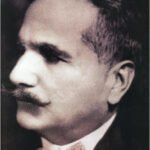
Iblees Ki Majlis-e-Shura (English: The Devil’s Council) is an Urdu poem written by Allama Iqbal in 1936. It depicts a meeting between Satan and his advisors, where they discuss the state of the world. The poem has been described as “a scathing critique of the major socio-political and economic systems introduced by the West.”
The first chapter begins with the Devil describing his accomplishments in dominating the world’s systems. His five advisers then discuss potential threats they conceive to the systems built by the devil – identified as various aspects of Western society such as capitalism, the rise of Western democracy and communism. The Devil, however, dismisses each of their concerns one by one. He concludes the poem by speculating on what he considers the most critical threat to his plans—the resurgence of Islam.
STANZA 1 - Iblees ki Majlis-e-Shura by Allama Iqbal
ابلیس
[Iblees]
Devil
یہ عناصر کا پرانا کھیل یہ دنیائے دوں
ساکنان عرش اعظم کی تمناؤں کا خوں
[Ye anasir ka purana khel ye dunya-e-doun]
[Sakinan-e-arsh-e-Azam ki tamannaoon ka khoon]
This old game of elements, this lowly world
The frustration of the longings of the dwellers of the highest heaven
اُس کی بربادی پہ آج آمادہ ہے وہ کارساز
جس نے اس کا نام رکھا تھا جہان کاف و نوں
[Uski barbadi pe aaj aamada hai woh kaarsaz]
[Jis ne is ka naam rakha tha jahan kaaf-o-noon]
Now, its destruction is willed by the very Creator,
Who once named it the realm of “Kun” and “Fayakun.”
میں نے دکھلایا فرنگی کو ملوکیت کا خواب
میں نے توڑا مسجد و دیر و کلیسا کا فسوں
[Maine dikhlaya Farangi ko malookiyat ka khuwab]
[Maine tora masjid-o-deer-o-kaleesa ka fasoon]
I showed the Europeans the dream of kingship (dictatorship)
I shattered the spell of mosque, temple, and church
میں نے ناداروں کو سکھلایا سبق تقدیر کا
میں نے منعم کو دیا سرمایہ داری کا جنوں
[Maine nadaron ko sikhlaya sabaq taqdeer ka]
[Maine Munim ko diya sarmayadari ka junoon]
I taught the destitute to believe in destiny
And infused among the wealthy with the craze of capitalism
کون کر سکتا ہے اس کی آتش سوزاں کو سرد
جس کے ہنگاموں میں ہو ابلیس کا سوز دروں
[Kaun kar sakta hai is ki aatish-e-sozan ko sard]
[Jis ke hangaamon mein ho Iblees ka soz-e-daroon]
Who can extinguish the burning flame [of material greed] in man,
When his actions are stimulated by the inherent passions of Iblees
جس کی شاخیں ہوں ہماری آبیاری سے بلند
کون کر سکتا ہے اس نخل کہن کو سرنگوں
[Jis ki shaakhein hon hamari aabyari se buland]
[Kaun kar sakta hai is nakhl-e-kuhan ko sar-nigoon]
When its [the tree of satan] branches have risen high with our nurturing,
Who can dare bring this ancient tree to the ground?
STANZA 2 - Iblees ki Majlis-e-Shura by Allama Iqbal
پہلا مشیر
[Pehla musheer]
The first counsellor
اس میں کیا شک ہے کہ محکم ہے یہ ابلیسی نظام
پختہ تر اس سے ہوئے خوئے غلامی میں عوام
[Is mein kya shak hai ke muhkam hai ye Ibleesi nizaam]
[Pukhta tar is se huay khoo-e-ghulami mein awaam]
There is no doubt that this Satanic order stands firm
And the masses have grown even more entrenched in servitude
ہے اَزل سے ان غریبوں کے مقدر میں سجود
ان کی فطرت کا تقاضا ہے نماز بے قیام
[Hai azal se in ghareebon ke muqaddar mein sujood]
[In ki fitrat ka taqaza hai namaz-e-be-qiyam]
Since eternity, prostration has been the fate of these poor souls
Their very nature demands a prayer the lacks even the act of standing
آرزو اول تو پیدا ہو نہیں سکتی کہیں
ہو کہیں پیدا تو مر جاتی ہے یا رہتی ہے خام
[Arzoo awwal to paida ho nahi sakti kahin]
[Ho kahin paida to mar jati hai ya rehti hai khaam]
Desire, in the first place, can scarcely arise anywhere
And if it does, it either perishes or remains unfulfilled
یہ ہماری سعئ پیہم کی کرامت ہے کہ آج
صوفی و ملا ملوکیت کے بندے ہیں تمام
[Yeh hamari saee-e-paiham ki karamat hai ke aaj]
[Sufi-o-mullah malookiyat ke bande hain tamaam]
It is the miracle of our relentless efforts that today
Both the Sufis and the religious clerics are subjects of imperialism
طبع مشرق کے لیے موزوں یہی افیون تھی
ورنہ قوالی سے کچھ کم تر نہیں علم کلام
[Taba-e-qmashriq ke liye mauzoon yahi afyoon thi]
[Warna qawwali se kuch kam tar nahi ilm-e-kalam]
For the temperament of the East, this was the perfect opiate
Otherwise, ilm-e-kalam is no less intoxicating than Qawwali
ہے طواف و حج کا ہنگامہ اگر باقی تو کیا
کند ہو کر رہ گئی مومن کی تیغ بے نیام
[Hai tawaaf-o-hajj ka hangaama agar baaqi to kya]
[Kund ho kar reh gayi momin ki tegh-e-be niyaam]
What if the rituals of pilgrimage still persist?
The Muslim’s unsheathed sword has been dulled into uselessness
کس کی نو میدی پہ حجت ہے یہ فرمان جدید
ہے جہاد اس دور میں مرد مسلماں پر حرام
[Kis ki no-meedi pe hujjat hai ye farmaan-e-jadeed]
[Hai jihad is daur mein mard-e-Musliman par haram]
Whose hopelessness justifies this new decree?
“Fighting in the name of the Lord is forbidden on Muslims of this age”
STANZA 3 - Iblees ki Majlis-e-Shura by Allama Iqbal
دوسرا مشیر
[Dosra musheer]
The second counsellor
خیر ہے سلطانیٔ جمہور کا غوغا کہ شر
تو جہاں کے تازہ فتنوں سے نہیں ہے با خبر
[Khair hai sultani-e-jamhur ka ghoga ya ke shar]
[Tu jahan ke tazah fitnon se nahi hai ba-khabar]
Is the clamour of democracy a blessing or a curse?
You remain unaware of the new mischiefs of the world
STANZA 4 - Iblees ki Majlis-e-Shura by Allama Iqbal
پہلا مشیر
[Pehla musheer]
The first counsellor
ہوں مگر میری جہاں بینی بتاتی ہے مجھے
جو ملوکیت کا اک پردہ ہو کیا اس سے خطر
[Hoon, magar meri jahan beeni batati hai mujhe]
[Jo malookiyat ka ek parda ho kya us se khatar]
I am aware, but my foresight tells me this:
There is no danger [from Western democracy], which is but a masquerade of dictatorship
ہم نے خود شاہی کو پہنایا ہے جمہوری لباس
جب ذرا آدم ہوا ہے خود شناس و خود نگر
[Hum ne khud-shahi ko pehnaya hai jamhoori libaas]
[Jab zara adam hua hai khud shanas-o-khud-nigar]
We dressed kingship in a democratic garb
When mankind became a little self-aware [of their rights under monarchy]
کاروبار شہر یاری کی حقیقت اور ہے
یہ وجود میر و سلطاں پر نہیں ہے منحصر
[Karobar-e-shehryari ki haqiqat aur hai]
[Ye wujood-e-meer-o-sultan par nahi hai munhasir]
The nature of the system of imperialism is something else—
It is not dependent on the presence of a single leader or king
مجلس ملت ہو یا پرویز کا دربار ہو
ہے وہ سلطاں غیر کی کھیتی پہ ہو جس کی نظر
[Majlis-e-millat ho ya Parvez ka darbaar ho]
[Hai woh sultan ghair ki kheti pe ho jis ki nazar]
Be it an elected national assembly or the court of Parvez,
The imperialist is one whose eyes are set on another’s harvest
تو نے کیا دیکھا نہیں مغرب کا جمہوری نظام
چہرہ روشن اندروں چنگیز سے تاریک تر
[Tu ne kya dekha nahi maghrib ka jamhuri nizaam]
[Chehra roshan, andaroon Changez se tareek-tar]
Have you not seen the democratic system of the West?
It has a brilliant exterior, but its interior is darker than Genghis
STANZA 5 - Iblees ki Majlis-e-Shura by Allama Iqbal
تیسرا مشیر
[Teesra musheer]
The third counsellor
روح سلطانی رہے باقی تو پھر کیا اضطراب
ہے مگر کیا اس یہودی کی شرارت کا جواب
[Rooh-e-Sultani rahay baaqi to phir kya izterab]
[Hai magar kya us yahoodi ki shararat ka jawab]
If the spirit of monarchy remains, then there is no cause for anxiety
But what is the answer to this scheming of the Jew (referring to Karl Marx’s book)?
وہ کلیم بے تجلی وہ مسیح بے صلیب
نیست پیغمبر ولیکن در بغل دارد کتاب
[Woh Kaleem be tajalli, woh Masiha be-saleeb]
[Neest Paighambar wa lekin dar baghal darad kitaab]
He’s a Moses without revelation; he’s Christ without the cross—
He isn’t a prophet, yet he holds a book under his arms (referring again to Karl Marx)
کیا بتاؤں کیا ہے کافر کی نگاہ پردہ سوز
مشرق و مغرب کی قوموں کے لیے روز حساب
[Kya bataon kya hai kaafir ki nigah-e-parda-e-sooz]
[Mashriq-o-maghrib ki qaumon ke liye roz-e-hisaab]
What can I say of the disbeliever’s piercing gaze?
For the nations of the East and West, it is the Day of Reckoning.
اس سے بڑھ کر اور کیا ہوگا طبیعت کا فساد
توڑ دی بندوں نے آقاؤں کے خیموں کی طناب
[Is se barh kar aur kya hoga tabiyat ka fasaad]
[Tor dee bandon ne aaqoun ke kheemon ki tanaab]
What greater corruption of nature could there be than this—
That the servants have torn down the tents of their masters?
STANZA 6 - Iblees ki Majlis-e-Shura by Allama Iqbal
چوتھا مشیر
[Chautha musheer]
The fourth counsellor
توڑ اس کا رومتہ الکبریٰ کے ایوانوں میں دیکھ
آل سیزر کو دکھایا ہم نے پھر سیزر کا خواب
[Torr is ka rumatul-kubra ke aiwanoun mein dekh]
[Aal-e-Caesar ko dikhaya hum ne phir Caesar ka khwab]
See its destruction in the grand halls of Rome—
We have once again shown Caesar’s dream to the heir of Caesar [Mussolini].
کون بحر روم کی موجوں سے ہے لپٹا ہوا
گاہ بالد چوں صنوبر گاہ نالد چوں رباب
[Kaun bahr-e-Rome ki maujon se hai lipta hua]
[Gaah balad chon sanobar, gaah naalad chon rabaab]
Who is it that clings to the waves of the Mediterranean?
At times, it rises like a cypress; at times, it laments like a lute
STANZA 7 - Iblees ki Majlis-e-Shura by Allama Iqbal
تیسرا مشیر
[Teesra musheer]
The third counsellor
میں تو اس کی عاقبت بینی کا کچھ قائل نہیں
جس نے افرنگی سیاست کو کیا یوں بے حجاب
[Main to is ki aqabat beeni ka kuch qaa’il nahi]
[Jis ne Afrangi siyasat ko kiya yun be hijab]
I am not convinced of his [Mussolini] foresight at all,
He recklessly laid bare the politics of the West
STANZA 8 - Iblees ki Majlis-e-Shura by Allama Iqbal
پانچواں مشیر ابلیس کو مخاطب کر کے
[Panchwan musheer Iblees ko mukhatib kar kay]
The fifth counsellor, adressing Iblees
اے ترے سوز نفس سے کار عالم استوار
تو نے جب چاہا کیا ہر پردگی کو آشکار
[Ae tere sooz-e-nafas se kaar-e-aalam ustawar]
[Tu ne jab chaaha, kiya har pardaagi ko aashkaar]
O you, whose fiery breath sustains the order of the world,
Whenever you willed, you laid bare everything that was hidden
آب و گل تیری حرارت سے جہان سوز و ساز
ابلہ جنت تری تعلیم سے دانائے کار
[Aab-o-gul teri hararat se jahan sooz-o-saaz]
[Abla-e-jannat teri taleem se daana-e-kaar]
It is your fire that has transformed dead earth and water into a world of beauty and endeavour
And the fool of paradise, inspired by your instruction, became wise and skilled
تجھ سے بڑھ کر فطرت آدم کا وہ محرم نہیں
سادہ دل بندوں میں جو مشہور ہے پروردگار
[Tujh se barh kar fitrat-e-aadam ka woh mehram nahi]
[Sada dil bandon mein jo mashhoor hai parwardigar]
You are more familiar with man’s nature, not Him;
Who is known as God, the sustainer
کام تھا جن کا فقط تقدیس و تسبیح و طواف
تیری غیرت سے ابد تک سر نگوں و شرمسار
[Kaam tha jin ka faqat taqdees-o-tasbeeh-o-tawaaf]
[Teri ghairat se abad tak sar-nagoon-o-sharm-saar]
Those whose task was only worship, praise, and prayer [referring to the angels],
Are forever humbled and ashamed by your defiance [as Satan did not bow before Adam].
گرچہ ہیں تیرے مرید افرنگ کے ساحر تمام
اب مجھے ان کی فراست پر نہیں ہے اعتبار
[Garcha hain tere mureed Afrang ke sahir tamaam]
[Ab mujhe un ki faraasat par nahi hai aitbaar]
Though all the sorcerers of Europe [referring to Western leaders] are now your disciples
I no longer trust their wisdom and foresight
وہ یہودی فتنہ گر وہ روح مزدک کا بروز
ہر قبا ہونے کو ہے اس کے جنوں سے تار تا
[Woh yahoodi fitna-gr woh rooh-e-Mazdak ka baroz]
[Har quba hone ko hai is ke junoon se taar-taar]
That mischievous Jew, that reincarnation of Mazdak’s soul,
Each garment [referring to the veil of Satan’s political systems] is about to be torn to shreds by his fanaticism
زاغ دشتی ہو رہا ہے ہمسر شاہین و چرغ
کتنی سرعت سے بدلتا ہے مزاج روزگار
[Zagh-e-dashti ho raha hai hamsar-e-shaheen-o-chiragh]
[Kitni sura’at se badalta hai mizaj-e-roz-gaar]
The wold crow now dares to rival the hawk and the falcon,
How swiftly the moods of fate and fortune change
چھا گئی آشفتہ ہو کر وسعت افلاک پر
جس کو نادانی سے ہم سمجھے تھے اک مشت غبار
[Chaa gayi ashufta ho kar wusat-e-aflaak par]
[Jis ko nadaani se hum samajhte the ek musht-e-ghubaar]
That which we mistook for a mere speck of dust,
Has swelled into a storm engulfing the vastness of the skies
فتنۂ فردا کی ہیبت کا یہ عالم ہے کہ آج
کانپتے ہیں کوہسار و مرغزار و جوئبار
[Fitna-e-farda ki heebat ka ye alam hai ke aaj]
[Kaampte hain kohsaar-o murghzaar-o-juay-bar]
The terror of tomorrow’s chaos is such that even today,
Mountains, meadows, and streams tremble in fear
میرے آقا وہ جہاں زیر و زبر ہونے کو ہے
جس جہاں کا ہے فقط تیری سیادت پر مدار
[Mere aaqa woh jahan zer-o-zabar hone ko hai]
[Jis jahan ka hai faqat teri siyadat par madar]
My master, that world [political systems] is on the verge of ruin
The world that rests solely upon your rule and command
STANZA 9 - Iblees ki Majlis-e-Shura by Allama Iqbal
(اپنے مشيروں سے ) ابلیس
[Iblees (apne musheeron Se)]
Iblees (to his counsellors)
ہے مرے دست تصرف ميں جہان رنگ و بو
کيا زميں، کيا مہر و مہ، کيا آسمان تو بتو
[Hai mere dast-e-tasarruf mein jahan-rang-o-boo]
[Kya zameen, kya mehr-o-mah, kya aasman to batu]
The world of colour and fragrance is under my command
The earth, the sun and moon, and even the sky
ديکھ ليں گے اپني آنکھوں سے تماشا غرب و شرق
ميں نے جب گرما ديا اقوام يورپ کا لہو
[Dekh lein ge apni aankhon se tamaasha gurb o sharq]
[Mein ne jab garma diya aqwam-e-Europe ka lahoo]
The East and West shall witness with their own eyes
When I ignite the blood of European nations
کيا امامان سياست، کيا کليسا کے شيوخ
سب کو ديوانہ بنا سکتي ہے ميري ايک ہو
[Kya imaman-e-siyasat, kya kaleesa ke sheyokh]
[Sab ko deewana bana sakti hai meri aik Hoo]
The political leaders, what are the priests of churches
My single call can drive them all to madness
کارگاہ شيشہ جو ناداں سمجھتا ہے اسے
توڑ کر ديکھے تو اس تہذيب کے جام و سبو
[Kargah sheesha jo naadaan samajhta hai use]
[Tor kar dekhay to is tehzeeb ke jam-o-saboo]
The fools who think this [referring to Western culture] is a delicate glasswork
Should shatter the goblets of this [Western] civilization and see
دست فطرت نے کيا ہے جن گريبانوں کو چاک
مزدکي منطق کي سوزن سے نہيں ہوتے رفو
[Dast-e-fitrat ne kiya hai jin gareebanon ko chaak]
[Mazdaki mantiq ki sozan se nahi hotay rafu]
Collars torn by the hand of Nature itself [referring to the distinction between rich and poor]
Cannot be stitched back with Mazdak’s logic
کب ڈرا سکتے ہيں مجھ کو اشتراکي کوچہ گرد
يہ پريشاں روزگار، آشفتہ مغز، آشفتہ مو
[Kab dara sakte hain mujh ko ishtiraaki koocha gurd]
[Yeh pareshan roze-kaar, aashifta maghz, aashifta mo]
Why should the wandering communists strike fear in me?
These restless souls, these disheveled minds, with incoherent speech
ہے اگر مجھ کو خطر کوئي تو اس امت سے ہے
جس کي خاکستر ميں ہے اب تک شرار آرزو
[Hai agar mujh ko khatar koi to is ummat se hai]
[Jis ki khaakistar mein hai ab tak sharaar arzu]
If I fear anything, it is only that nation
Whose ashes still have a spark of ambition
خال خال اس قوم ميں اب تک نظر آتے ہيں وہ
کرتے ہيں اشک سحر گاہي سے جو ظالم وضو
[Khaal khaal is qoum mein ab tak nazar aatay hain woh]
[Karte hain ashk-sahar-gaahi se jo zaalim wazu]
Among them are those rare few
The cruel who perform ablution with pre-morning tears [referring to those who pray for Muslim’s revival]
جانتا ہے، جس پہ روشن باطن ايام ہے
مزدکيت فتنہ فردا نہيں، اسلام ہے
[Jaanta hai, jis pe roshan baatin ayyam hai]
[Mazdakiyat fitna-e-farda nahi, Islam hai]
One who sees the lights and the inner truths of time
Knows that tomorrow’s upheaval [the threat to Satan’s political system] is not Communism—but Islam
STANZA 10 - Iblees ki Majlis-e-Shura by Allama Iqbal
۲
2
جانتا ہوں ميں يہ امت حامل قرآں نہيں
ہے وہي سرمايہ داري بندہ مومن کا ديں
[Jaanta hoon mein yeh ummat haamil-e-Quran nahi]
[Hai wohi sarmaya-daari banda-momin ka deen]
I know well that this nation is no longer the bearer of the Qur’an
Capitalism has become the faith of the believer
جانتا ہوں ميں کہ مشرق کي اندھيري رات ميں
بے يد بيضا ہے پيران حرم کي آستيں
[Jaanta hoon mein keh mashriq ki andheri raat mein]
[Be yad beyza hai peeran-e-haram ki aasteen]
I know that in the dark night of the East,
The sleeve [referring to Moses’ hand that emitted light] of the leaders of the sanctuary is bereft of the illuminating hand
عصر حاضر کے تقاضاؤں سے ہے ليکن يہ خوف
ہو نہ جائے آشکارا شرع پيغمبر کہيں
[Asr-e-haazir ke taqazoun se hai lekin yeh khauf]
[Ho na jaye aashkaara shara-e-paighambar kahin]
Yet the demands of this present age bring forth a terrifying thought—
What if the Prophet’s law is revealed once again?
الحذر! آئين پيغمبر سے سو بار الحذر
حافظ ناموس زن، مرد آزما، مرد آفريں
[Al-hazar! Aeen paighambar se so bar al-hazar]
[Hafiz-e-namoos-zan, mard-e-azma, mard-e-afreen]
Beware! A hundred times beware of the Prophet’s law—
A protector of women’s honour, a tester of men’s capacities, nurturer of worthy men
موت کا پيغام ہر نوع غلامي کے ليے
نے کوئي فغفور و خاقاں، نے فقير رہ نشيں
[Maut ka paighaam har nu-e-ghulami ke liye]
[Ne koi faghfoor-o-khagaan, nay faqeer-e-reh nasheen]
[The prophet’s law is] A message of death to any kind of slavery [of customs, tradition, capital, etc]
Neither sparing emperors nor ascetics in their retreats.
کرتا ہے دولت کو ہر آلودگي سے پاک صاف
منعموں کو مال و دولت کا بناتا ہے اميں
[Karta hai dolat ko har aloodgi se paak saaf]
[Munim’oun ko maal-o-dolat ka banata hai ameen]
It purifies wealth from all corruption
And makes the rich mere trustees of their fortunes
اس سے بڑھ کر اور کيا فکر و عمل کا انقلاب
پادشاہوں کي نہيں، اللہ کي ہے يہ زميں
[Is se barh kar aur kya fikr-o-amal ka inqilaab]
[Padshahon ki nahi, Allah ki hai yeh zameen]
What greater revolution in thought and action can there be?
That this land belongs not to kings—but to God alone
چشم عالم سے رہے پوشيدہ يہ آئيں تو خوب
يہ غنيمت ہے کہ خود مومن ہے محروم يقيں
[Chashm-e-aalam se rahe posheeda yeh aayin tou khoob]
[Yeh ghaneemat hai ke khud momin hai mehroom-e-yaqeen]
It is best if the world remains blind to this truth,
Fortunately for us, even the believer himself is deprived of inner conviction
ہے يہي بہتر الہيات ميں الجھا رہے
يہ کتاب اللہ کي تاويلات ميں الجھا رہے
[Hai yehi behtar ilahiyat mein uljha rahe]
[Yeh kitaab-Ullah ki tawilaat mein uljha rahe]
It is better that he remains entangled in metaphysical & theological debates
And stays lost in the endless interpretations of Allah’s book [while ignoring action]
STANZA 10 - Iblees ki Majlis-e-Shura by Allama Iqbal
۳
3
توڑ ڈاليں جس کي تکبيريں طلسم شش جہات
ہو نہ روشن اس خدا انديش کي تاريک رات
[Torr daalein jis ki takbeerein talism-e-shish jahaat]
[Ho na roshan is Khuda-andish ki tareek raat]
Whose call of Takbeer may shatter the magic in all six directions
May the dark night of this God-fearing soul never be illuminated
ابن مريم مر گيا يا زندہ جاويد ہے
ہيں صفات ذات حق، حق سے جدا يا عين ذات؟
[Ibn-e-Maryam mar gaya ya zinda javed hai]
[Hai sifat-e-zaat-Haqq, Haqq se juda ya ayn zaat?]
Has the son of Mary perished, or does he live eternal?
Are the attributes of God separate from Him, or are they His very essence?
آنے والے سے مسيح ناصري مقصود ہے
يا مجدد، جس ميں ہوں فرزند مريم کے صفات؟
[Aane wale se Maseeh-e-Nasri maqsood hai]
[Ya mujadid, jis mein ho farzand-e-Maryam ke sifaat?]
Does the awaited one mean the return of Jesus of Nazareth,
Or a reformer imbued with the qualities of the son of Mary?
ہيں کلام اللہ کے الفاظ حادث يا قديم
امت مرحوم کي ہے کس عقيدے ميں نجات؟
[Hai Kalam-Ullah ke alfaz haadis ya qadeem]
[Ummat-e-marhoom ki hai kis aqeeday mein nijaat?]
Are the words of the Divine Scripture created or eternal?
In which belief does the forsaken Ummah find its salvation?
کيا مسلماں کے ليے کافي نہيں اس دور ميں
يہ الہيات کے ترشے ہوئے لات و منات؟
[Kya musalman ke liye kaafi nahi is daur mein]
[Yeh ilahiyat ke tarshe hue Laat-o-Manaat?]
Is it not enough for the Muslim in this age
That he worships these sculpted Lat and Manat of theology?
تم اسے بيگانہ رکھو عالم کردار سے
تا بساط زندگي ميں اس کے سب مہرے ہوں مات
[Tum isay baigana rakho aalam-e-kirdar se]
[Taa basaat zindagi mein is ke sab mohre houn maat]
Keep him estranged from the realm of action
So that in the game of life, all his pieces remain in defeat
خير اسي ميں ہے، قيامت تک رہے مومن غلام
چھوڑ کر اوروں کي خاطر يہ جہان بے ثبات
[Khair is mein hai, qiyamat tak rahe momin ghulam]
[Chor kar auron ki khatir yeh jahan be-sabaat]
Better it is that the Momin remain enslaved till the end of time
Abandoning this fleeting world for the sake of others
ہے وہي شعر و تصوف اس کے حق ميں خوب تر
جو چھپا دے اس کي آنکھوں سے تماشائے حيات
[Hai wohi shair-o-tasawwuf is ke haq mein khoob tar]
[Jo chupa de is ki aankhon se tamaasha-e-hayat]
For him, the best poetry and mysticism
Are those that veil his eyes from the spectacle of life
ہر نفس ڈرتا ہوں اس امت کي بيداري سے ميں
ہے حقيقت جس کے ديں کي احتساب کائنات
[Har nafas darta hoon is ummat ki bedari se mein]
[Hai haqeeqat jis ke deen ki ihtisab-e-kainaat]
At every breath, I fear the awakening of this Ummah
For the truth of its faith holds the universe to account
مست رکھو ذکر و فکر صبحگاہي ميں اسے
پختہ تر کر دو مزاج خانقاہي ميں اسے
[Mast rakho zikr-o-fikr subah-gaahi mein isse]
[Pukhta tar kar do mizaaj-e-khanqahi mein isse]
Keep him absorbed in morning prayers and meditations
Strengthen further his devotion to the ways of the monastery