Sultan Tipu Ki Wasiyat – Nazm by Allama Iqbal
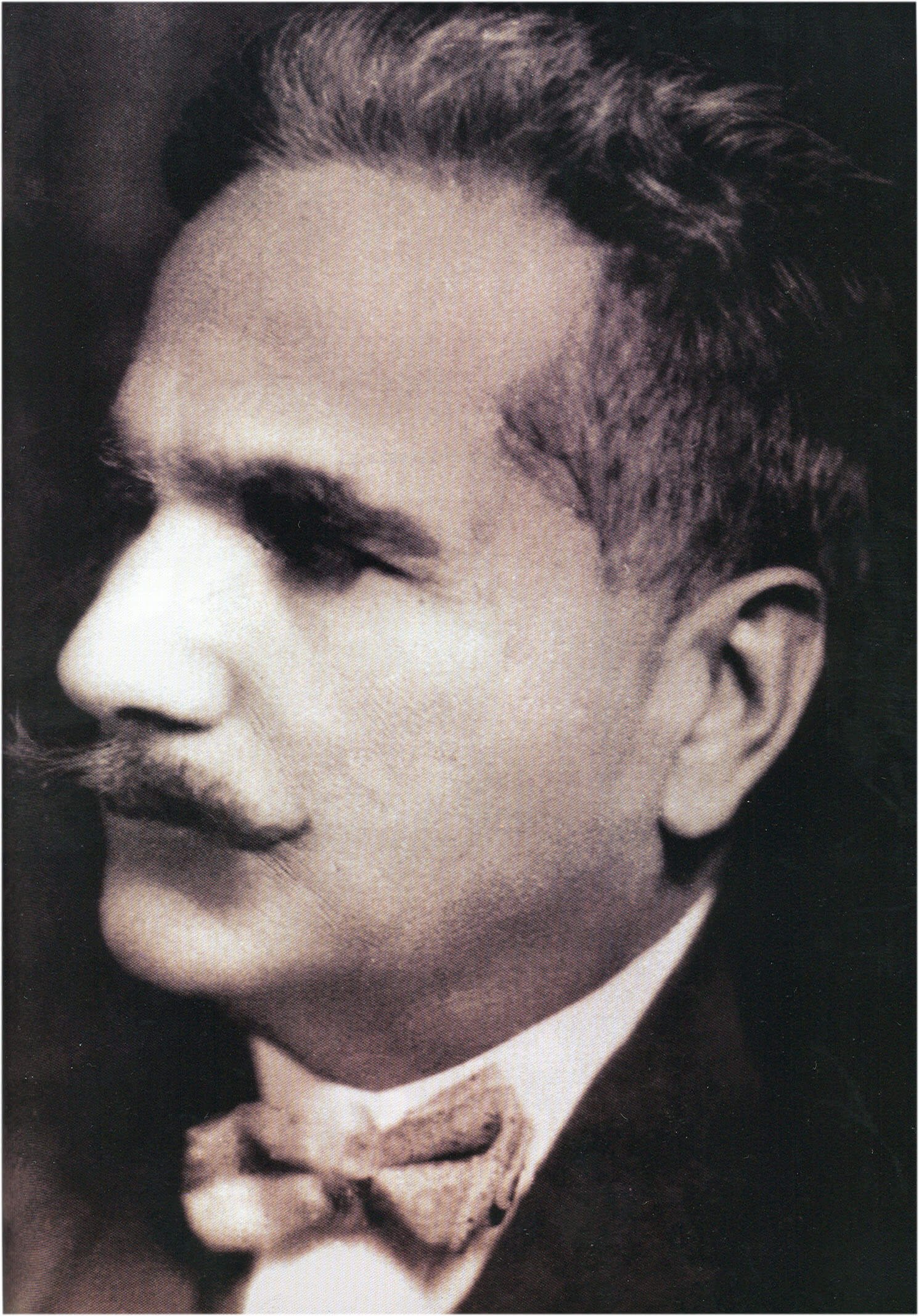
Sultan Tipu ki wasiyat (Translation: The testament of Tipu Sultan) is a powerful nazm by Pakistan’s national poem Allama Iqbal and conveys a timeless message of resilience, self-transcendence, and commitment to truth.
Using metaphors and profound symbolism, Iqbal draws on the life of Shaheed Tipu Sultan, a figure he deeply admired for his resistance to colonial oppression. Each couplet serves as a guide for individuals striving to rise above mediocrity, avoid complacency, and pursue the highest ideals with courage and conviction.
Iqbal’s central theme revolves around rejecting stagnation and compromises. The traveller is urged to shun comfort, even in the presence of Laila, a symbol of ultimate desire, and to strive for greater challenges.
The streamlet, too, is advised to evolve into a fierce river, refusing the safety of the shore. These metaphors are not merely poetic; they reflect the dynamism of a life dedicated to a higher purpose. The poet reminds his audience that true believers, like Sultan Tipu, cannot be enslaved by superficial logic or worldly distractions, for their hearts remain firmly anchored in divine inspiration and spiritual freedom.
Historically, Iqbal’s admiration for Tipu Sultan stems from his unparalleled resistance against British imperialism, a struggle erased or maligned by colonial narratives. For Iqbal, Tipu symbolized the “Mard-e-Momin,” a fearless believer who refused to bow to tyranny. This nazm, therefore, is not just a tribute to Tipu’s legacy but a philosophical manifesto. It challenges readers to reject falsehood, resist duality, and uphold the singular truth of divine oneness (Tawheed) in their lives, echoing the very principles for which Tipu lived and ultimately embraced martyrdom.
VERSE 1 – Sultan Tipu ki wasiyat by Allama Iqbal
تُو رہ نوردِ شوق ہے، منزل نہ کر قبول
لیلیٰ بھی ہم نشیں ہو تو محمل نہ کر قبول
[Tu reh naward-e-shauq hai, manzil na kar qubool]
[Laila bhi hum-nasheen ho to mehmil na kar qubool]
If you traverse the road of love, don’t yearn to seek the destination
Even if Laila is your companion, do not choose the comfort of a caravan
VERSE 2 – Sultan Tipu ki wasiyat by Allama Iqbal
اے جُوئے آب بڑھ کے ہو دریائے تُند و تیز
ساحل تجھے عطا ہو تو ساحل نہ کر قبول
[Ae ju-e-aab barh ke ho darya-e-tund-o-taiz]
[Saahil tujhe ata ho to saahil na kar qubool]
O streamlet, surge ahead and become a mighty, raging river.
Even if a bank is offered to you, reject and flow with majesty
VERSE 3 – Sultan Tipu ki wasiyat by Allama Iqbal
کھویا نہ جا صَنم کدۂ کائنات میں
محفل گداز! گرمیِ محفل نہ کر قبول
[Khoya na ja sanam kadah-e-kainaat mein]
[Mahfil gudaaz! Garmi-e-mahfil na kar qubool]
Don’t lose your bearings in this world for it is full of idols
O one who enlivens the gatherings, do not accept the warmth of the gathering
VERSE 4 – Sultan Tipu ki wasiyat by Allama Iqbal
صُبحِ ازل یہ مجھ سے کہا جِبرئیل نے
جو عقل کا غلام ہو، وہ دِل نہ کر قبول
[Subh-e-azal yeh mujh se kaha Jibreel ne]
[Jo aqal ka ghulam ho, woh dil na kar qubool]
At the dawn of eternity, Gabriel said to me
Do not accept the heart that is enslaved to intellect
VERSE 5 – Sultan Tipu ki wasiyat by Allama Iqbal
باطل دُوئی پسند ہے، حق لا شریک ہے
شِرکت میانۂ حق و باطل نہ کر قبول!
[Batil dooi pasand hai, Haq la-shareek hai]
[Shirkat miyana-e-Haq-o-Batil na kar qubool]
Falsehood thrives on duality; Truth admits no power or peer
Do not accept a compromise between Truth and falsehood
https://www.youtube.com/watch?v=apBJC94cme0